27 Countries Where Online Gambling Is Banned | Global Laws And Restrictions
The Global Landscape Of Online Gambling Restrictions
I tried accessing my usual poker site while traveling for work, but the page wouldn't load. Then came the realization, I was in a country where online gambling wasn't just discouraged; it was completely illegal.
That moment sparked my deep dive into understanding which countries ban online gambling and why. The truth is, online gambling exists in a complex legal gray area across much of the world. While some nations embrace it as regulated entertainment and a tax revenue source, others have drawn a hard line against it.
What makes this topic particularly confusing is that these restrictions aren't uniform. Some countries ban all forms of gambling, online and offline. Others allow land-based casinos but prohibit internet gambling.
Key Takeaways
- Religious law, particularly Islamic Sharia law, drives most gambling bans globally.
- Penalties range from small fines to imprisonment and even corporal punishment.
- Many banned countries still have thriving underground gambling markets.
- Enforcement reality often differs significantly from written laws.
- Tourists are generally not exempt from gambling restrictions.
- Using a VPN to access offshore casinos carries legal and financial risks.
Understanding The Ban Spectrum: Total Vs Partial Restrictions

Complete Gambling Bans
Some countries implement absolute prohibitions on all gambling activities, online, offline, private, and public. These nations typically base their laws on strict religious interpretations that classify gambling as sinful or harmful to society.
In these jurisdictions, you won't find casinos, betting shops, lotteries, or any legal gambling infrastructure. The law extends to tourists, foreign nationals, and citizens equally. Countries like Saudi Arabia, Afghanistan, and Brunei fall into this category, where even possessing gambling materials can result in prosecution.
Online-Only Restrictions
A growing number of countries permit land-based gambling through licensed casinos or state lotteries, but specifically prohibit internet gambling. This approach stems from concerns about regulating online operators, preventing money laundering, and protecting vulnerable populations from easy access.
China represents the most significant example of this model. While Macau (a special administrative region) operates as the world's largest gambling hub, mainland China strictly bans all online gambling despite gambling being culturally significant. Citizens can participate in government-approved lotteries, but accessing online casinos is illegal.
Grey Market Countries
Many nations technically prohibit online gambling but rarely enforce these laws, particularly against individual players. The legislation exists primarily to avoid formally legitimizing the industry rather than actively prosecuting users.
In these countries, offshore gambling sites operate freely, citizens access them regularly, and authorities focus enforcement on operators rather than players. This creates a functional grey market where millions participate despite technical illegality.
United Arab Emirates

United Arab Emirates (UAE) Explained in 11 Minutes (History and Culture)
The United Arab Emirates maintains strict anti-gambling laws under its penal code. Penalties include imprisonment of up to two years and fines approaching 50,000 AED for players. The UAE is positioning itself for change. Construction began in 2023 on the Wynn Al Marjan Island, a $3.9 billion casino resort in Ras Al Khaimah, signaling a potential shift toward legalization.
Saudi Arabia

Saudi Arabia follows Sharia law, which refers to gambling as "maisir", meaning abomination or Satan's work. The kingdom has never licensed any gambling operations, and punishments vary from fines to imprisonment. Tourists are explicitly warned not to bring "instruments of gambling" into the country.
Qatar

Qatar enforces Law No. 11 of 2004, which punishes gambling with three months imprisonment and 3,000 Qatari Riyals in fines. Public gambling doubles the penalties to six months and 6,000 Riyals.
Iran
Iran operates as an Islamic theocracy where gambling constitutes a major sin. Section 12 Article 654 of Iran's Civil Code explicitly voids all gambling contracts. Anyone caught gambling faces flogging, six months imprisonment, or both punishments combined if the offense occurs publicly.
Bahrain

BAHRAIN | Futuristic Island Nation in the Middle East
Bahrain criminalizes all gambling through its Penal Code. First-time offenders pay 300 Dinar fines and face up to three months imprisonment. Repeat violations increase penalties to 500 Dinar and one year behind bars. Operating gambling services brings 1,000 Dinar fines and one year imprisonment.
Jordan
Jordan completely bans all gambling activities without exception; even state lotteries don't exist here. As a Muslim country, Jordan has never issued gambling licenses or permitted any operators. While online gambling through offshore sites occurs, authorities haven't actively prosecuted individual players.
Syria
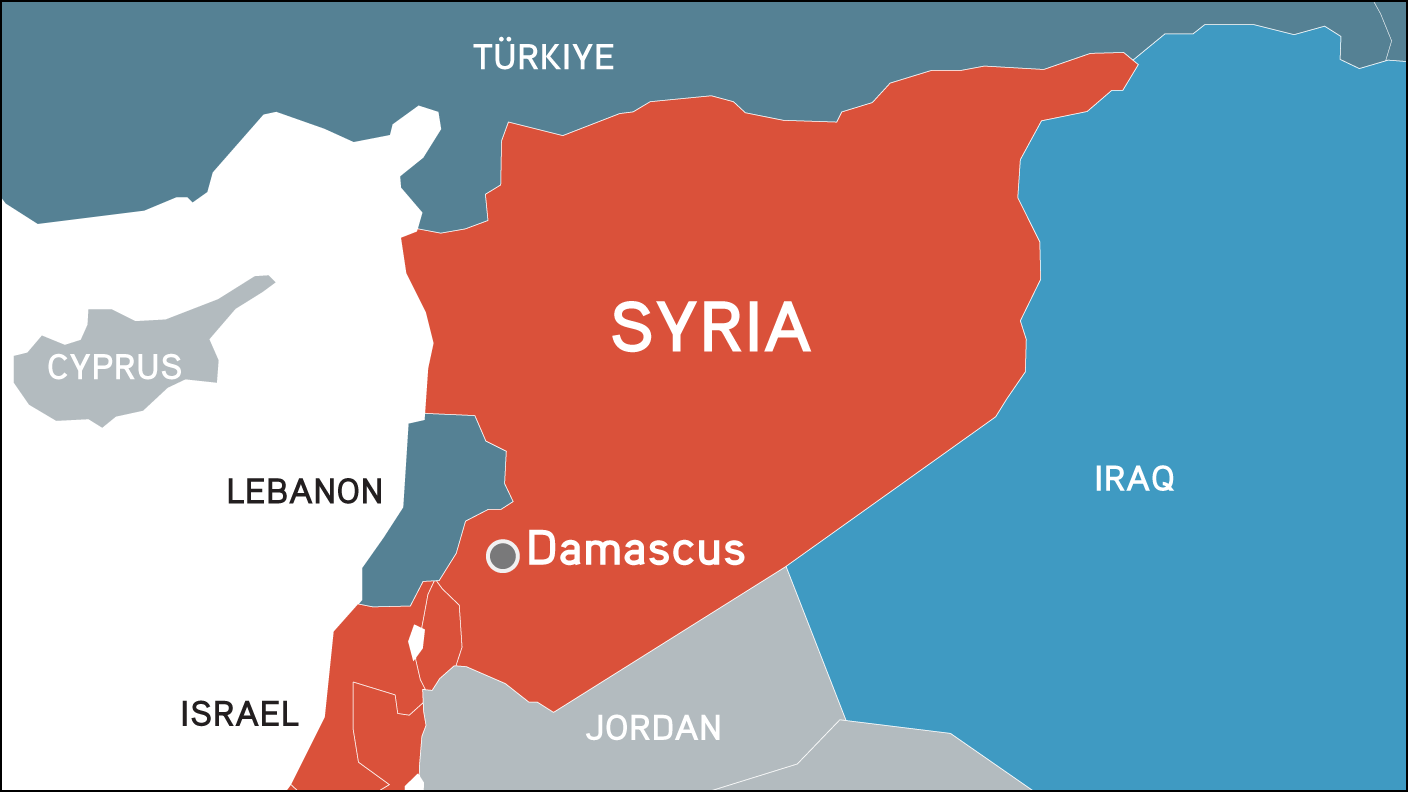
Syria presents an interesting case. Gambling was legal until the 1970s when religious conservatives shut down the country's three casinos. However, the Ocean Club casino currently operates in Damascus, creating tension between secular governance and religious populations who view it as threatening societal collapse.
Algeria
Algeria Explained in 18 Minutes | History, Geography, Culture
Algeria declares Islam as its state religion, automatically prohibiting behaviors incompatible with Islamic teachings, including gambling. While the constitution respects religious freedom, all residents must comply with gambling prohibitions regardless of personal faith.
Libya
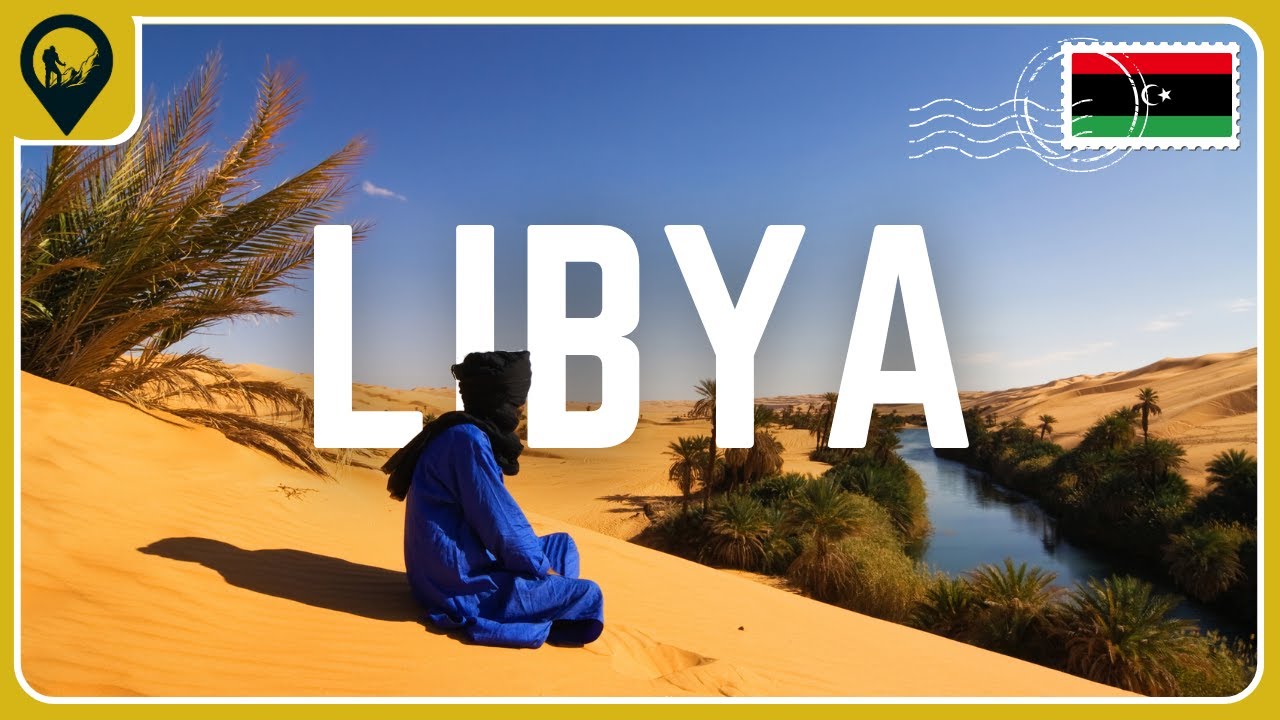
Libya Explained In 11 Minutes (History, Geography, And Culture)
Libya follows its 1953 Penal Code, which reflects the country's dominant Muslim population and Quranic opposition to gambling. All betting activities are prohibited, though the law doesn't explicitly mention online gambling.
Mauritania
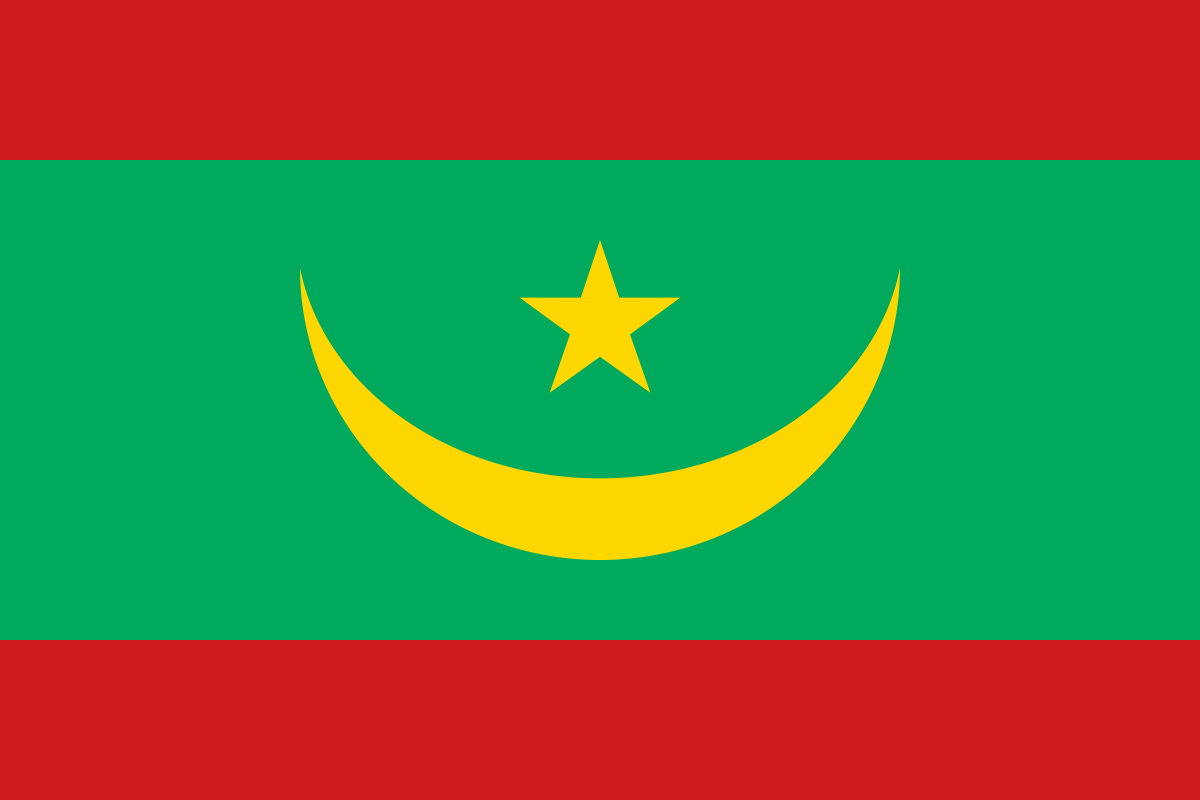
Mauritania implements anti-gambling laws through its 1983 Penal Code, following Quran teachings like most African-Muslim nations. No casinos exist in the country, and while online gambling isn't explicitly addressed, authorities interpret the law broadly to cover internet betting.
Sudan
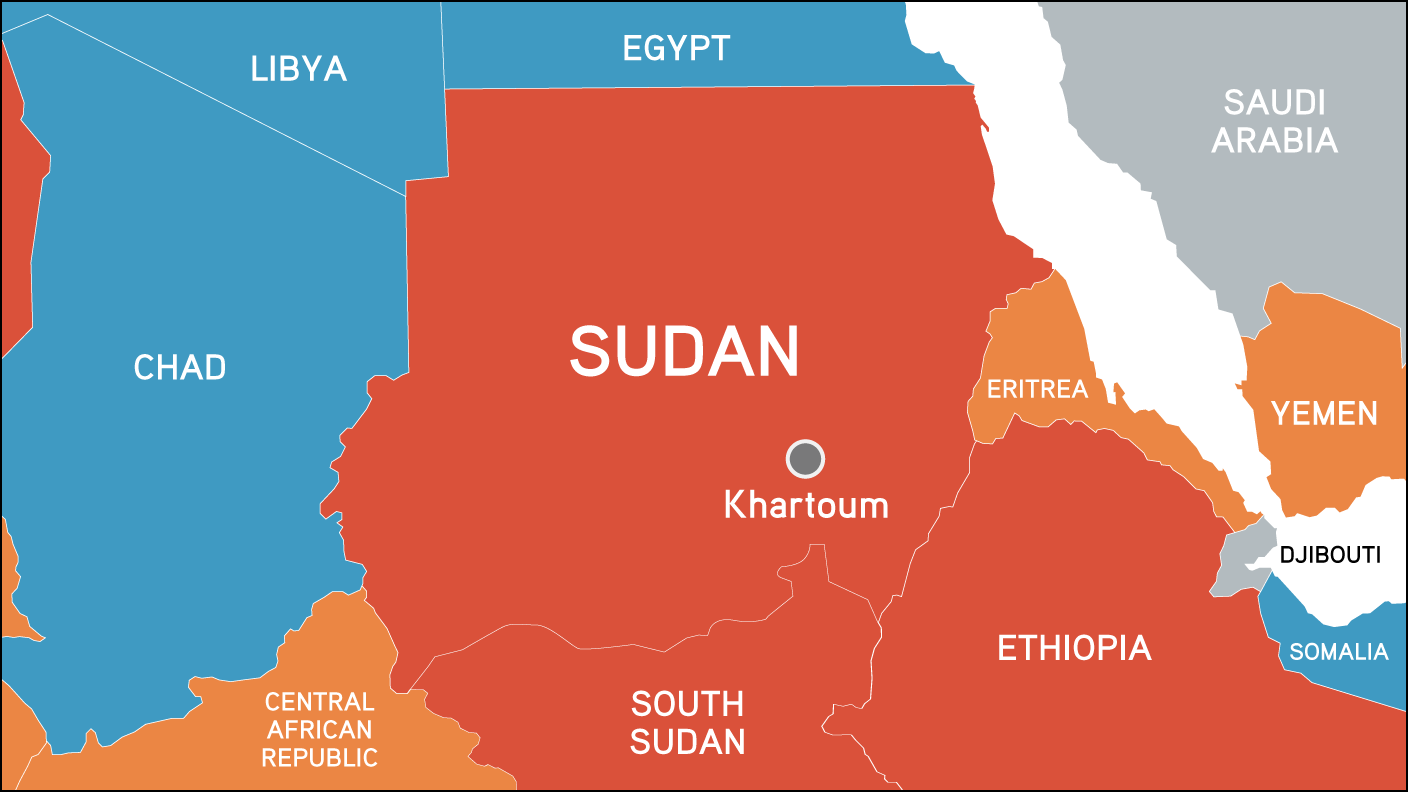
Sudan made gambling illegal through its 1991 Criminal Law Act. Chapter 19 Section 237 states that any game of chance or lottery drawing constitutes an offense, punishable by approximately six months imprisonment, fines, or both.
Eritrea
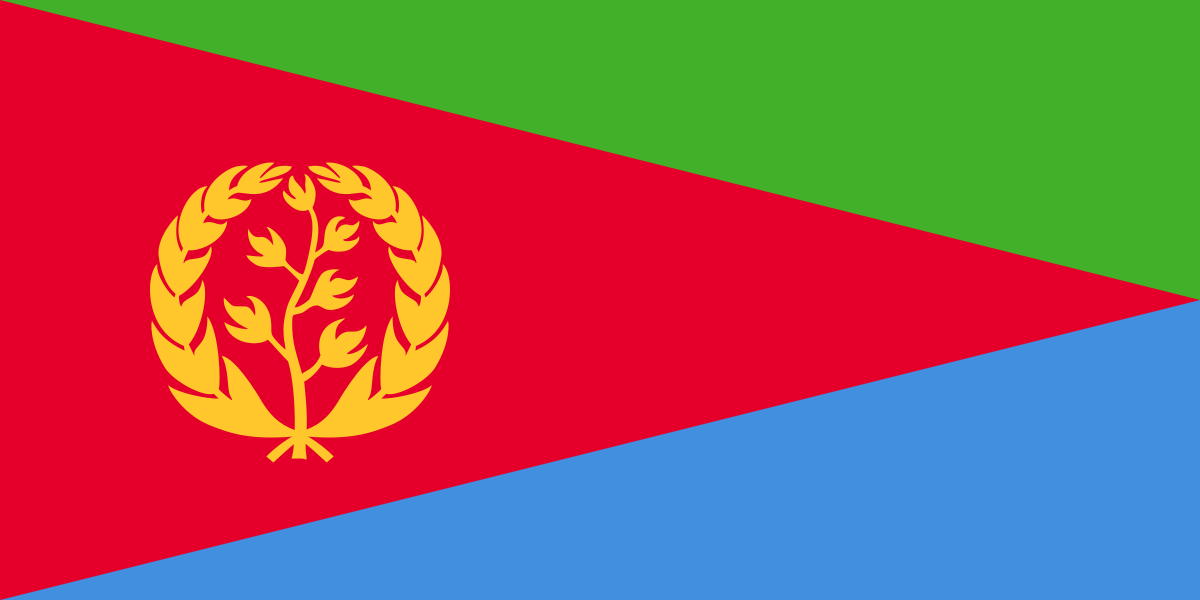
Eritrea follows Islamic law despite having significant Christian and Muslim populations. Both religions discourage gambling, but Eritrea specifically adheres to Islamic prohibitions. Residents still access offshore gambling sites since online betting isn't explicitly mentioned in statutes.
China
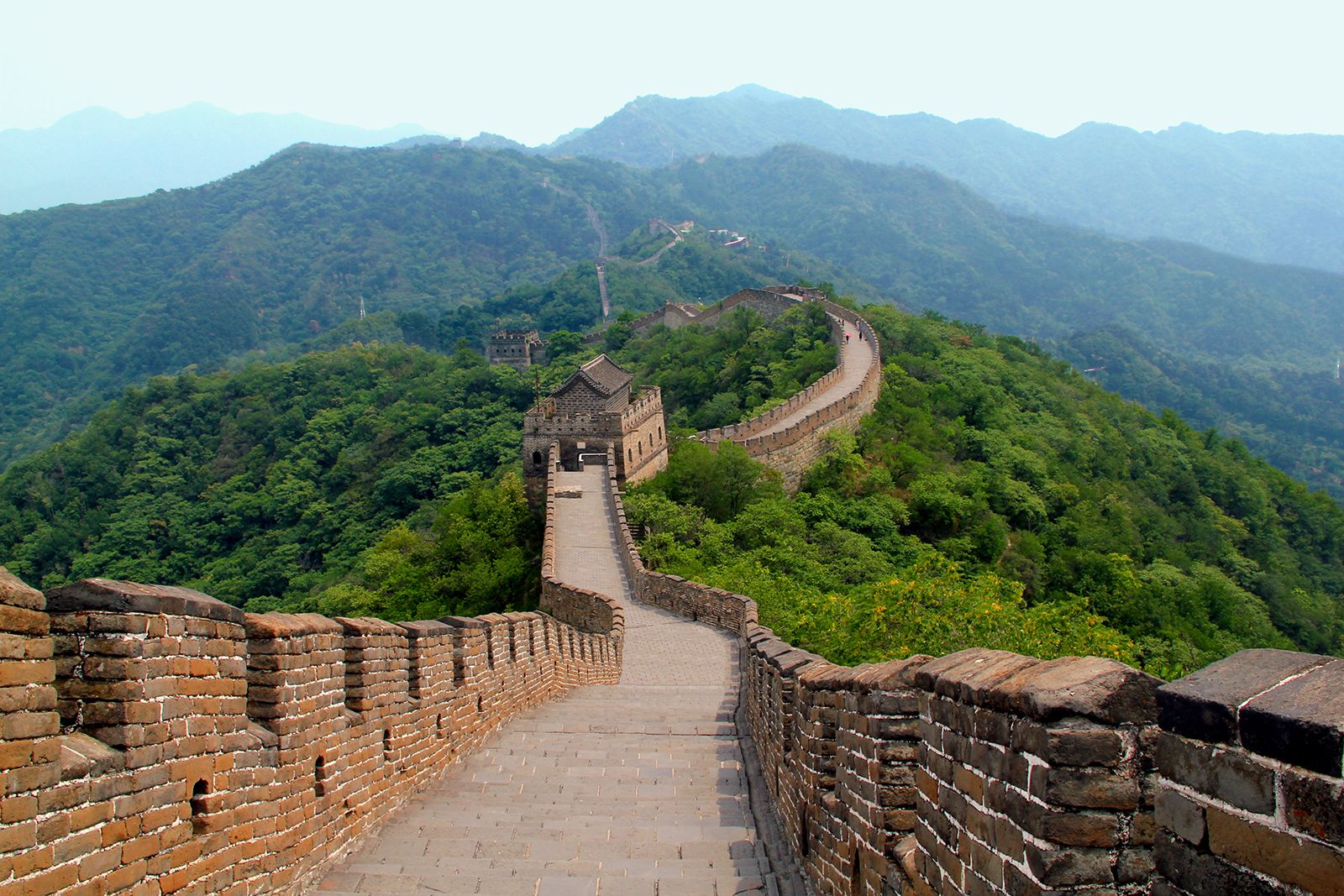
China banned gambling in 1949 despite its cultural significance. A Chinese proverb says, "If you don't gamble, you won't know how lucky you are," and playing Mahjong during the Chinese New Year is considered lucky. Yet only government-approved lotteries are legal. The ban paradoxically benefits surrounding nations. Asian casinos specifically target Chinese gamblers, and Philippine Offshore Gaming Operators (POGOs) generated $12.6 billion in withholding taxes by serving Chinese players.
Indonesia
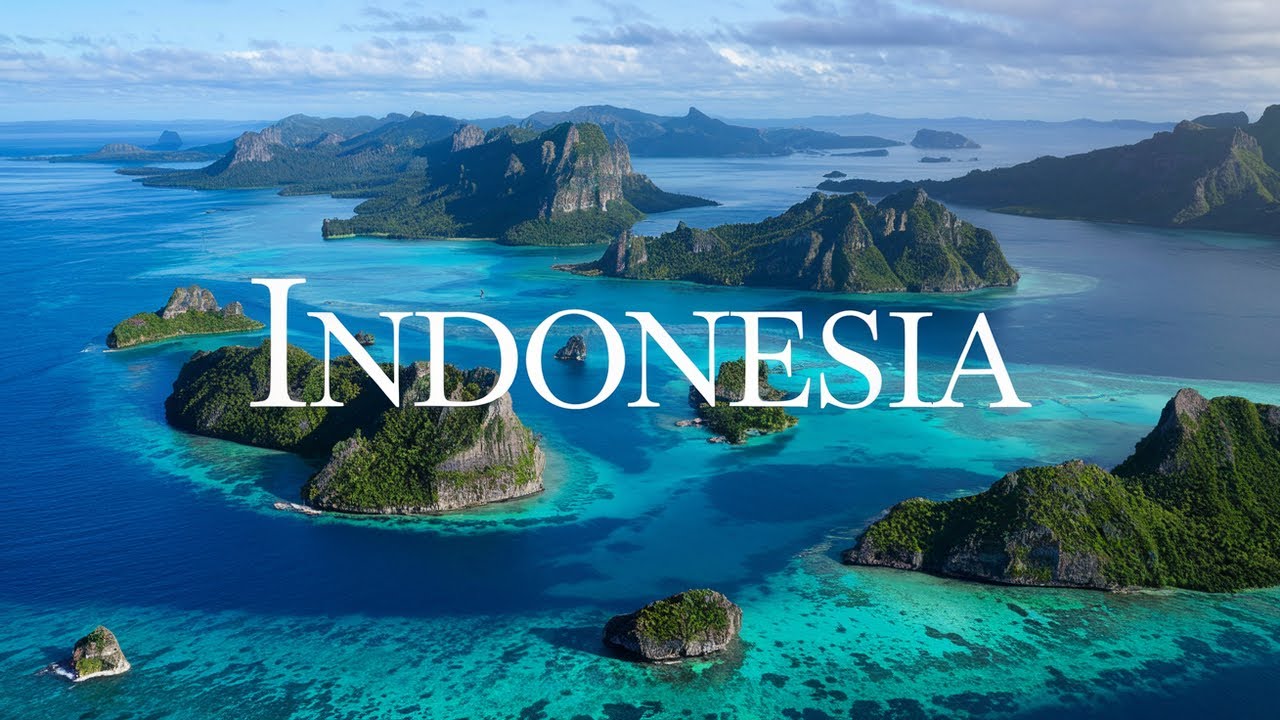
Wonders of Indonesia | The Most Amazing Places in Indonesia | Travel Video 4K
Indonesia houses the world's largest Muslim population, though it's not constitutionally an Islamic state. Article 303 of Indonesia's Criminal Code prohibits gambling, reinforced by Muslim-led protests that shut down a briefly legalized lottery in 1993 within a week. No licensed operators exist, online or offline.
Pakistan

The Story of Pakistan Flag: Designer, Symbols, and First Hoisting Explained | Independence Day
Pakistan passed the Gambling Prevention Act in 1977, prohibiting all gambling forms. The law generalizes broadly to include online gambling despite not explicitly naming it. Pakistan has never had land-based casinos or betting venues.
Afghanistan
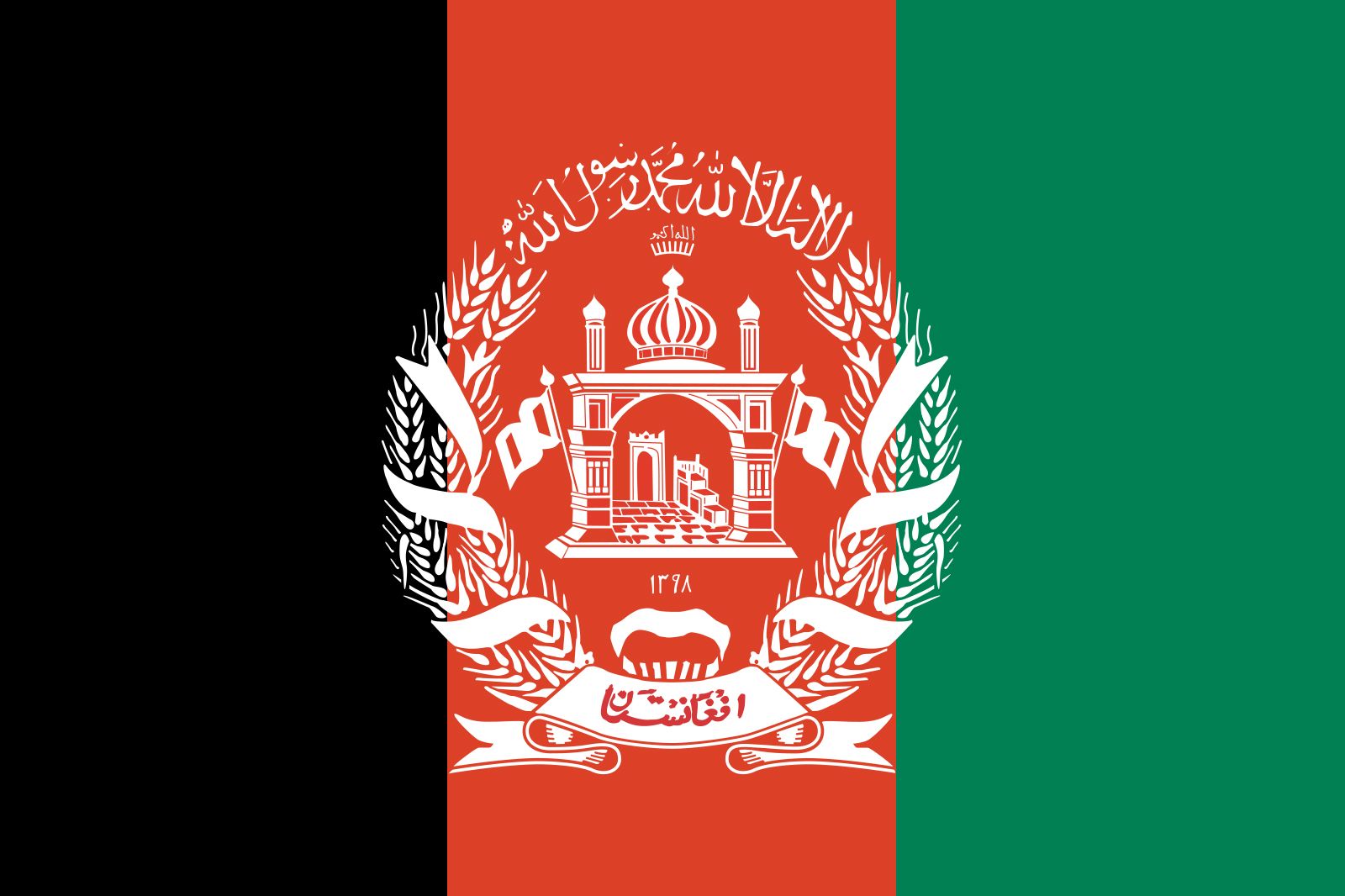
Afghanistan operates under Islamic Sharia law without formal gambling legislation. The Quran describes gambling as an abomination, automatically prohibiting all wagering activities. With only 18% of the population having internet access, Afghanistan's online gambling industry remains virtually non-existent, even underground.
Brunei Darussalam
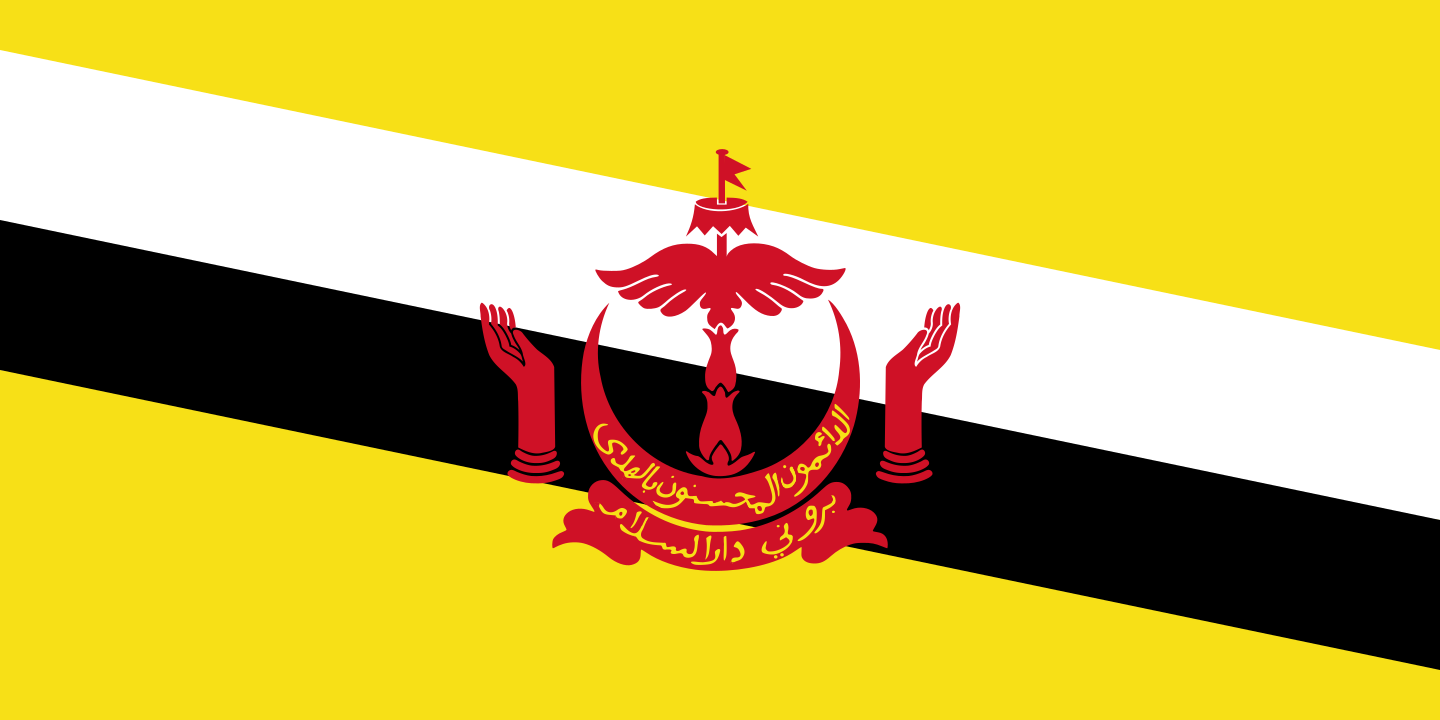
Brunei Darussalam enforces the Common Gaming Houses Acts based on Islamic religious teachings. No exemptions exist; tourists must adhere to the rules equally. Violators face arrest, imprisonment, or expulsion, even for "unknowing" violations.
Malaysia
Top 10 Best Cities to Visit in Malaysia - Travel Video 2024
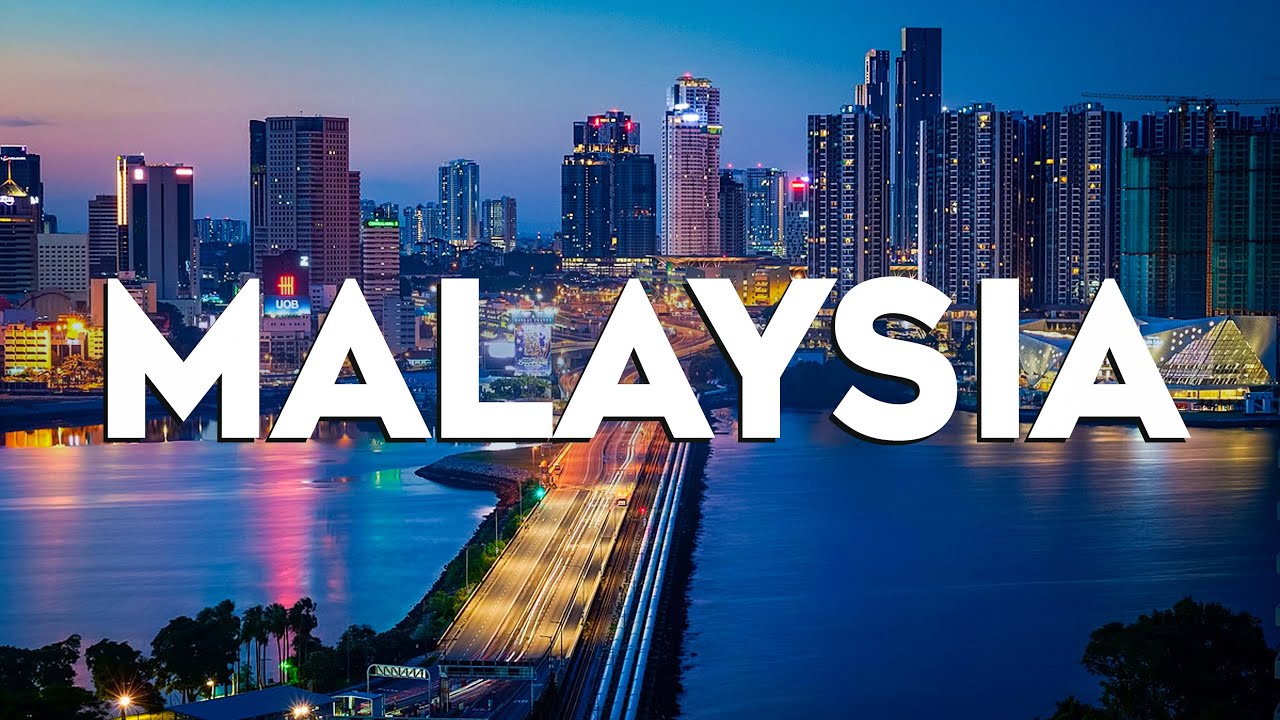
Malaysia applies different gambling laws based on religious identity. Several gambling forms are regulated and legal for non-Malaysians, including lotteries and horse racing. Muslim residents fall under separate Islamic law prohibiting all gambling participation.
Thailand

Top 10 Best Cities to Visit in Thailand - Travel Video 2024
Thailand permits only state-run lotteries and horse race betting through the Gambling Act of 1935. Other activities are prohibited based on Buddhist values. Buddha's teachings state that gambling doesn't lead toward the Arya (noble path). Buddhist principles deeply influence Thai society, shaping these restrictions.
Maldives
Wonders of Maldives | The Most Amazing Places in Maldives | Travel Video 4K
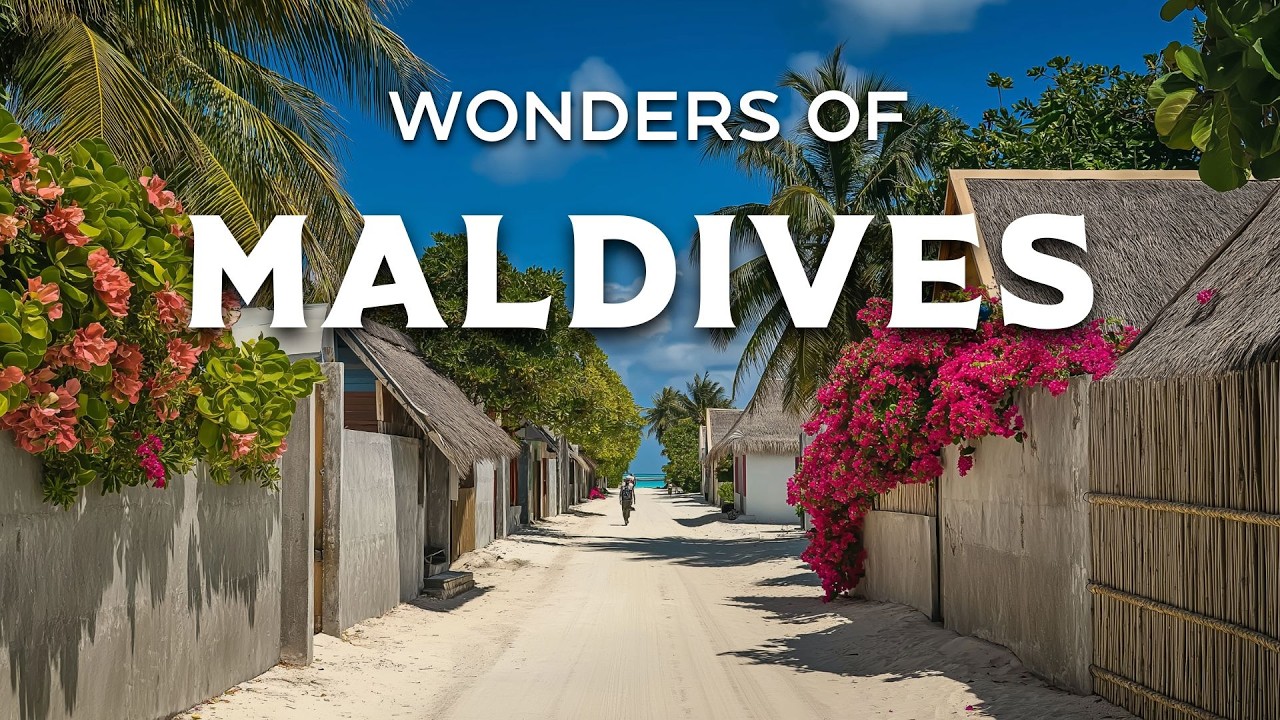
The Maldives maintains a 100% Muslim population; non-Muslims cannot become citizens. Following Islamic law, the country prohibits all gambling forms under the Maldivian Criminal and Penal Law.
Marshall Islands

Marshall Islands Explained In 9 Minutes (History, Geography, & Culture)
The Marshall Islands prohibit gaming and gambling through its Gaming and Recreation Prohibition Act of 1998. Non-profit organizations can organize bingo, raffles, and cakewalks solely for fundraising. Any other recreational wagering brings $1,000 fines or one year imprisonment.
Tokelau

Top 10 Facts About Tokelau Island
Tokelau relies on the Native Ordinance of 1917, a basic constitutional structure covering simple rules, including a gambling prohibition. This makes Tokelau, Oceania's smallest country and the world's fourth smallest, one of the few Pacific nations banning wagering. Violations bring fines or imprisonment with hard labor.
Somalia
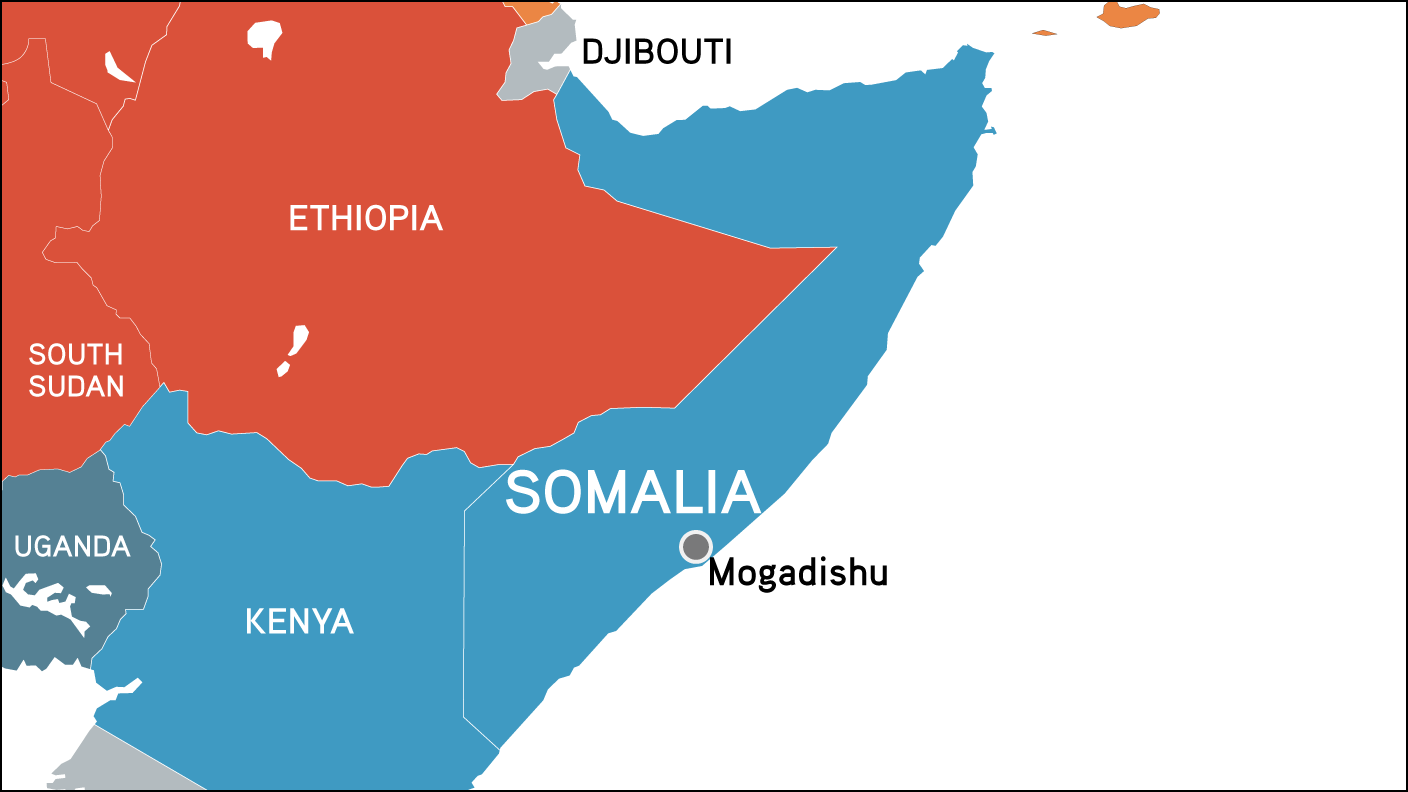
Somalia has over 99% Muslim population, making Islamic law natural. The Quran opposes gambling, so Somalia's Penal Code criminalizes it. Punishments under Sharia law don't include fines or imprisonment; offenders receive public flogging instead.
Ethiopia
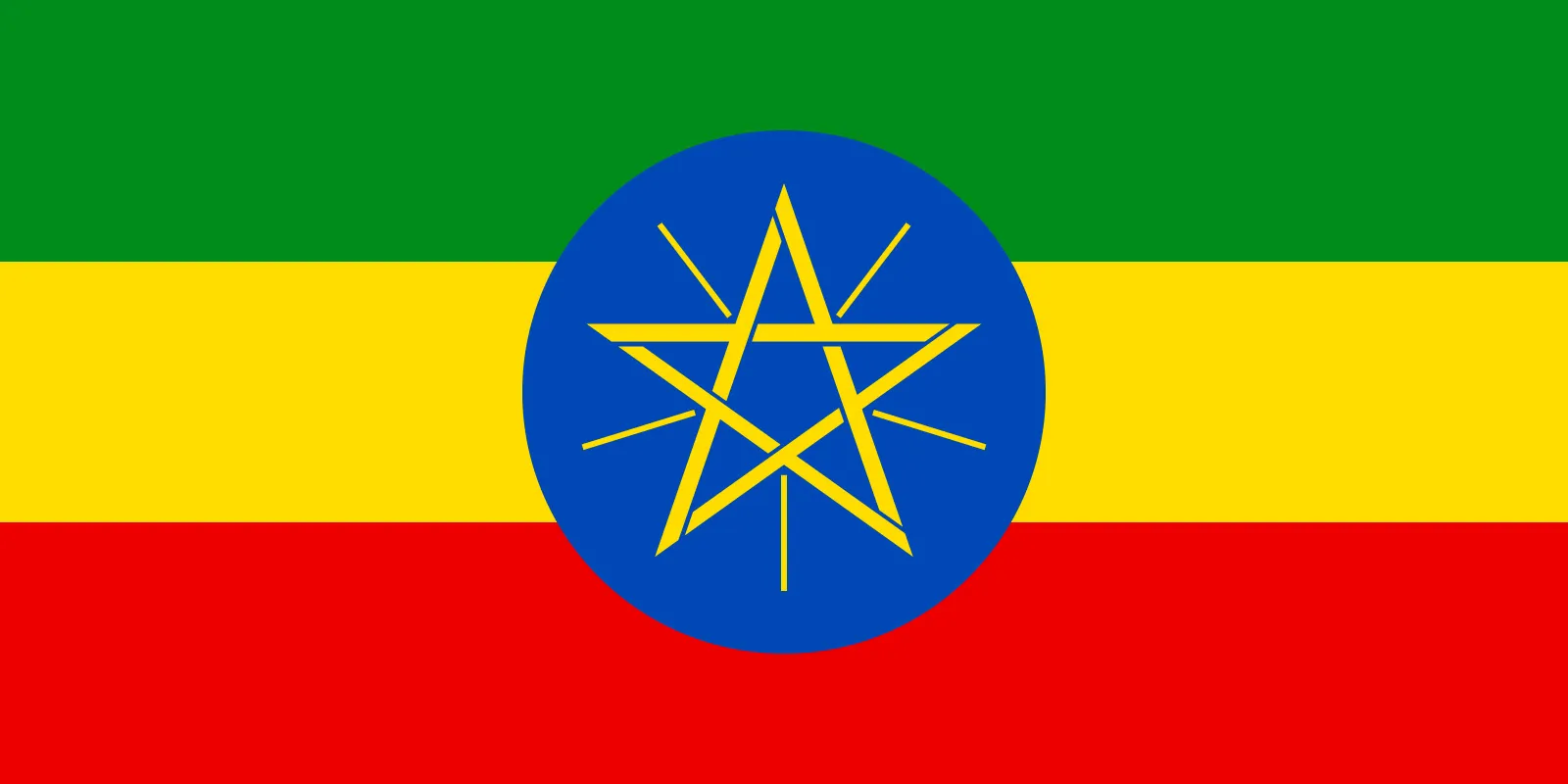
Ethiopia presents mixed signals. Several gambling forms are legal, including sports betting, casino games, and lotteries, though lotteries aren't regulated online. The National Lottery Administration oversees these activities for citizens 21 and older. The Ministry of Women and Social Affairssupports banning sports betting entirely due to concerns about youth participation and potential economic crises.
Kosovo

Kosovo rapidly expanded its gambling industry from 2009 to 2019, generating €20 million annually in gambling taxes and employing 4,000 workers. Then Prime Minister Ramush Haradinaj banned all gambling for a decade in 2019 following two casino employee murders. He stated he wouldn't allow gambling venues to become crime arenas, claiming lives. Only the state-wide lottery continues operating.
Cuba
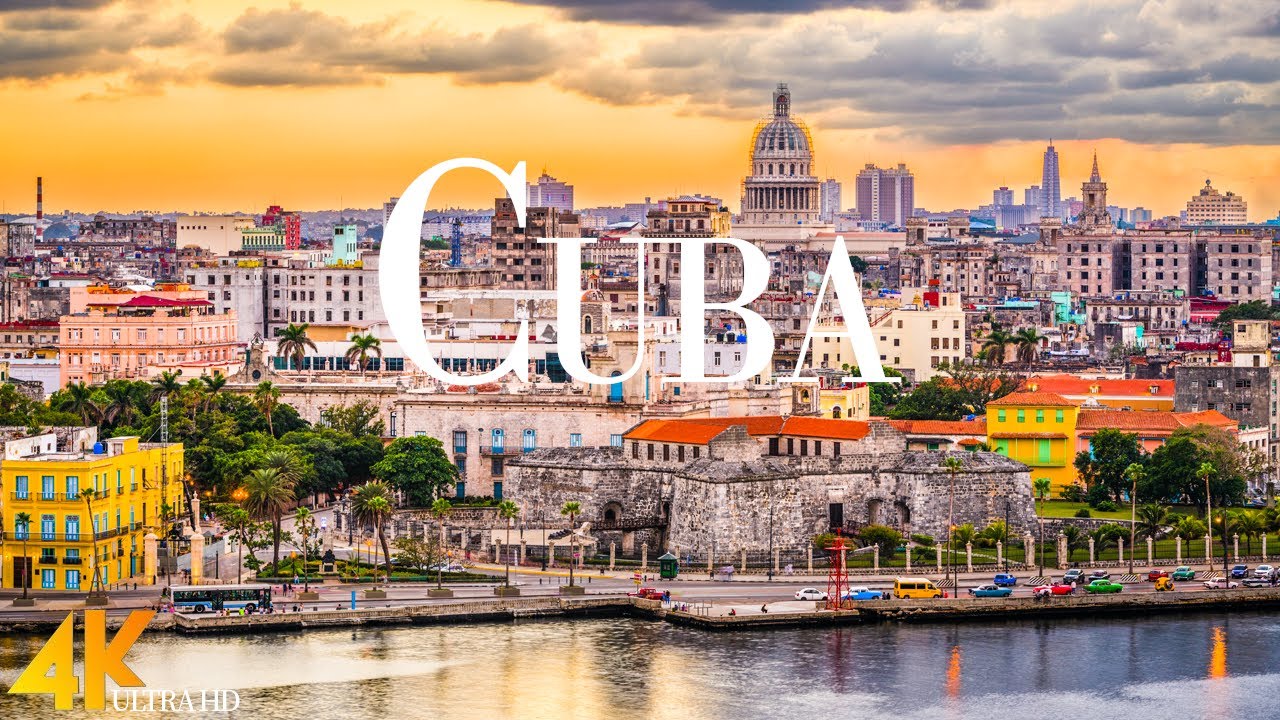
Cuba 4K Ultra HD • Stunning Footage Cuba | Relaxation Film With Calming Music | 4k Videos
Cuba rivaled Las Vegas in gambling glamour until the 1959 Cuban Revolution. The gambling scene centered on mob investments, particularly in Havana. Fidel Castro overthrew dictator Fulgencio Batista and immediately shut down Havana's casinos and nightclubs. He passed Ley 86 in 1959, banning gambling, which remains in effect today.
United States (Utah And Hawaii)

The United States (Utah and Hawaii) is the only two American states that prohibit gambling entirely. Utah's prohibition stems from its 55% Mormon population; Mormonism opposes gambling legislation strongly. Utah Code Section 76-10-1102 classifies betting activities as Class B misdemeanors with $1,000 fines and six months imprisonment. Providing gambling services escalates to Class A misdemeanors with one year imprisonment and $2,500 fines. Hawaii similarly bans all gambling except social gaming, though reports show Hawaiians take 300,000 trips annually to Las Vegas and other states to gamble legally.
See Also: Sports Betting Laws And Regulations By State
Why Countries Ban Online Gambling
Religious And Cultural Foundations
Religious doctrine drives the overwhelming majority of gambling bans globally. Islamic Sharia law specifically identifies gambling as "haram" (forbidden), considering it among the major sins alongside alcohol consumption and adultery.
The Quran describes gambling as an abomination and Satan's work, not merely discouraged but explicitly prohibited. This theological position leaves little room for compromise. When a nation's constitution declares Islam as the state religion or operates as an Islamic theocracy, gambling bans follow automatically.
Christianity and Buddhism also discourage gambling, though less absolutely. Christian scripture opposes betting because it "motivates wrong desires" and promotes love of money, fueling greed and envy.
Buddhist teachings view gambling as distracting from the noble path toward enlightenment. These religious positions create cultural environments where gambling is seen as morally corrupting rather than harmless entertainment.
Social Protection Concerns
Beyond religious motivations, many countries ban online gambling specifically to protect citizens from gambling-related harms. These concerns are legitimate; addiction affects approximately 2 million American adults severely, contributing to $7 billion in national social costs, including job loss, bankruptcy, healthcare spending, and gambling-related crimes.
Gambling addiction triggers the brain's reward system similarly to drug and alcohol addiction, releasing dopamine that creates pleasurable sensations users desperately try to replicate. This biological mechanism makes gambling genuinely dangerous for susceptible individuals.
Problem gambling also creates secondary harms affecting families and communities. Financial difficulties, impaired family relationships, increased susceptibility to family violence, and feelings of resentment and confusion devastate those close to problem gamblers. Some nations believe the social costs outweigh any economic benefits that gambling might generate.
Economic Control Factors
The economic rationale for banning online gambling is more complex than religious or social motivations. Initially, expanding gambling activities and establishing more facilities raise additional significant revenue. This revenue spike is often short-lived.
Revenue can slow down, reverse, or drop dramatically long-term. Countries that invested heavily in gambling infrastructure find this harmful. Additionally, larger gambling industries require more regulatory attention. Some nations struggle to trace all money dealings, even when regulating the industry, losing revenue to underground operations and money laundering.
By maintaining prohibitions, countries avoid creating dependency on gambling revenue and the regulatory burden required to manage a complex industry. They also prevent offshore operators from extracting wealth from their citizens without contributing taxes.
Negative Effects Of Gambling
Gambling can bring economic benefits to a country, such as creating jobs for local people. For example, the University of Chicago found that areas near casinos have 12% to 17% lower unemployment rates. But these benefits come with serious downsides. In many places, the harm caused by gambling is so great that it outweighs the financial gains. Understanding these harms and knowing how to set gambling limitsis critical for both individuals and regulators.
Addiction
Gambling addiction works much like drug or alcohol addiction. When someone gambles, their brain gets a rush of dopamine, a chemical that creates strong feelings of pleasure. This “high” makes the person want to gamble again and again to feel that same joy. Over time, this cycle can quickly turn into a serious gambling problem.
In the United States alone, about 2 million adults suffer from severe gambling addiction. This causes huge social costs, estimated at $7 billion each year, due to problems like job loss, bankruptcy, higher healthcare costs from stress and mental illness, and more crime linked to gambling.
For the individual, problem gambling leads to serious personal harm:
- Draining savings and going into debt
- Low self-esteem from feeling out of control
- Becoming short-tempered and easily irritated
- Poor performance at work or school
- Less time and energy for loved ones
- Overwhelming feelings of regret, guilt, shame, and hopelessness
Harm To Family And Friends
The damage doesn’t stop with the gambler. Loved ones also suffer in what’s called “second-hand harm.” This includes:
- Serious money problems from shared debts
- Broken trust and constant tension in relationships
- Higher risk of domestic violence
- Emotional pain, like anger, confusion, and deep resentment
Corruption In Sports
Sports betting is a huge global business, worth $83.65 billion in 2022. Many fans bet to show support for their team or just for fun, hoping to win quick money. But the large amounts of money involved often lead to corruption.
Two common crimes are bribery and match-fixing.
- Bribery:means offering money or gifts to someone in sports, like a referee, coach, or official, to influence the game’s outcome. A well-known case was the 2015 FIFA scandal, where officials were accused of taking over $150 million in bribes over 20 years, including to decide which countries would host the World Cup (Russia in 2018 and Qatar in 2022).
- Match-fixing: happens when a game’s result is secretly planned ahead of time so certain bets will win. This only works if players, coaches, or team staff agree to cheat, usually in exchange for money. This ruins the fairness and spirit of sports.
Debt
Small bets usually bring small wins. To win big, gamblers often feel they need to spend a lot of money. When gambling gets out of hand, people keep betting even when they run out of cash. This leads to serious debt from:
- Illegal bookmakers
- Loan sharks (who charge very high interest and use threats)
- Credit cards (easily used online)
- Borrowing from friends or family
Money problems are already stressful, but illegal lenders may threaten violence or harm the gambler’s family if payments are late. The pressure of huge, unpayable debts can lead to deep depression, and even suicide. Gambling is linked to about 5% of all suicides each year.
Alcohol And Substance Abuse
While some people gamble just for fun, problem gamblers often turn to alcohol or drugs too. Both gambling and substance use trigger the same pleasure centers in the brain, making them a dangerous mix. People may drink or use drugs to:
- Feel more excitement while gambling
- Escape the pain of losses
- Make reckless bets without thinking
This double addiction makes recovery much harder. It also increases family problems and the risk of crime, making substance abuse one of the most serious and complicated consequences of gambling.
Frequently Asked Questions
Which Country Has The Strictest Online Gambling Laws?
Saudi Arabia and Qatar rank among the world's strictest gambling jurisdictions. Both operate under an Islamic theocracy where gambling is considered among the gravest sins. Saudi Arabia provides no specific penalty schedules, allowing judges wide discretion to impose harsh sentences.
Can I Use A VPN To Access Online Gambling Sites From Banned Countries?
Technically, yes, VPNs allow accessing offshore gambling sites from banned countries. However, this carries significant legal and financial risks. Using VPNs violates most legitimate casino terms of service, potentially voiding winnings. More seriously, circumventing gambling bans breaks local laws even if enforcement is rare.
Do Online Gambling Bans Actually Work?
Enforcement evidence suggests that gambling bans are largely ineffective at stopping determined gamblers. China banned gambling in 1949, yet Chinese gamblers support massive offshore industries across Asia. Jordan prohibits all gambling, but residents access offshore sites regularly without prosecution. Telecommunications blocking is easily circumvented through VPNs.
What Happens If I Win Money Gambling In A Banned Country?
Withdrawing gambling winnings from banned countries creates multiple problems. Banks and payment processors often reject gambling-related transactions from restricted countries. Winnings might remain trapped in casino accounts indefinitely if no withdrawal method works. Authorities could theoretically seize winnings as proceeds from illegal activity if discovered.
Are Land-Based Casinos Legal Where Online Gambling Is Banned?
Many countries distinguish between land-based and online gambling. China permits Macau casinos while banning mainland gambling and all online betting. Malaysia allows regulated casinos and lotteries for non-Muslims while prohibiting online gambling broadly. Thailand permits state lotteries and horse racing but bans other gambling forms.
Why Do Muslim Countries Ban Gambling More Than Other Nations?
Islamic Sharia law explicitly identifies gambling as "haram" (forbidden), classifying it among major sins. The Quran describes gambling as an abomination and Satan's work, creating theological rather than merely social or economic opposition. When nations operate as Islamic theocracies or declare Islam as the state religion, gambling bans follow automatically from religious law.
Can Gambling Bans Change In The Future?
Gambling laws evolve constantly as social attitudes and economic priorities shift. The UAE is constructing the $3.9 billion Wynn Al Marjan Island casino despite current prohibitions, signaling potential legalization. Kosovo banned gambling in 2019 after decades of legal operation. Cuba legalized gambling before the 1959 revolution made it illegal again. Brazil is considering legalization despite 70 years of prohibition.
How Do Countries Enforce Online Gambling Bans?
Enforcement typically focuses on three mechanisms: blocking gambling websites through telecommunications regulations, prosecuting operators rather than players, and occasional high-profile player prosecutions for deterrence. Bahrain orders telecommunications regulators to block gambling sites. China occasionally cracks down on underground gambling organizations.
What's The Safest Way To Gamble If I Live In A Banned Country?
The only truly safe approach is to abstain from gambling entirely while residing in a banned area. Any participation carries legal risk regardless of enforcement likelihood. If you choose to gamble despite prohibitions, minimize risk by using reputable offshore casinos with established track records, avoiding public discussion of gambling activities, using cryptocurrency for transactions to avoid banking paper trails, never gambling from work or public networks, and researching current enforcement trends in your specific country.
The Future Of Global Gambling Restrictions
Understanding the complex reality of countries where online gambling is banned is vital for informed decision-making. The law is rarely simple; it’s a mosaic of cultural mandates, state monopolies, and pragmatic enforcement.
The most essential takeaway is that you should never assume permission based on accessibility. Just because you can access a foreign site via a VPN does not mean you are complying with local law.
Always prioritize regulatory compliance, particularly when dealing with nations that have Total or Religious Prohibition. Stay informed, stay vigilant, and ensure your operations or your travel adhere to the strictest interpretation of the local law.
If you found this guide helpful, share it with anyone planning international travel or interested in global gambling regulations. Understanding these restrictions protects you from legal problems while traveling and helps you make informed decisions about online gambling participation.