How To Set Gambling Limits - 15 Pro Tips That Work
Gambling can be fun, but it’s easy to lose track of time and money. That’s why setting limits is so important. It helps you stay in control, enjoy the game, and avoid regret later. If you’ve ever spent more than you planned or kept playing when you should have stopped, this guide will help. Learn easy and practical ways to set gambling limits that work.
What Is Gambling?
Gambling means playing games where you take a chance to win prizes or money. This can include betting on sports, playing the lottery, or games like poker or slot machines. Gambling should be done responsibly, meaning you keep control and don’t let it affect your life negatively. When done right, it can be a fun and safe form of entertainment. It's also important to understand casino safety measures for players, which help protect your details, your money, and your overall gaming experience.
Understanding Gambling Limits
Gambling limits are pre-set boundaries you place on your gambling activity, such as the amount of money you deposit, how much you’re willing to lose, or the time you spend playing. These limits act as guardrails to help you maintain control and avoid negative consequences. They are an essential part of responsible gambling and are widely recommended by experts and gambling authorities.
Types Of Gambling Limits You Can Set
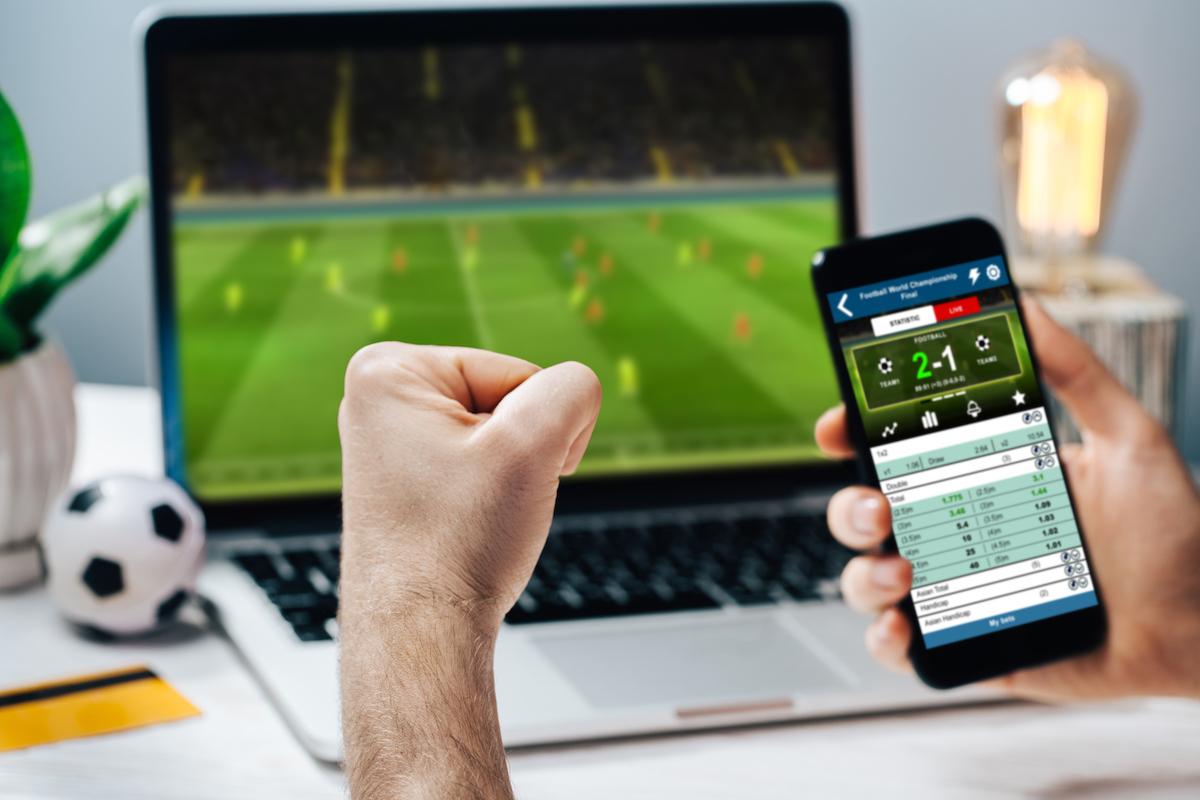
There are several types of limits you can apply, each serving a specific purpose:
- Deposit Limits: Restrict how much money you can deposit into your gambling account daily, weekly, or monthly. This keeps spending predictable and prevents overspending.
- Loss Limits: Define the maximum amount you’re willing to lose over a set period. When this limit is reached, you stop playing to avoid deeper losses.
- Time Limits: Set how long you want to gamble in a single session or per day. Time limits help prevent excessive play and fatigue.
- Bet Limits: Control the size of individual bets to avoid risky wagers that can quickly drain your funds.
- Session Limits: Limit the number of sessions or the length of play during a certain timeframe to encourage breaks and reduce impulsive behavior.
Each type targets a different aspect of gambling behavior, helping to create a comprehensive safety net that suits your personal preferences and situation.
Setting limits is very important to stay in control when gambling. Here are ways to set limits on your time and money:
1. Set A Clear Spending Budget
Before you begin gambling, decide on a fixed amount of money you can afford to lose money that won’t affect your bills, rent, or daily expenses. This should be part of your entertainment budget, not your savings or emergency fund. Once this limit is reached, stop gambling, no matter what. This simple rule protects your finances and helps you avoid spiraling losses.
2. Use Cash, Not Cards
One of the easiest ways to stay in control is by using cash instead of credit or debit cards. When you bring only a set amount of cash to a casino or gambling venue, you create a physical boundary that helps prevent overspending. Avoid ATM visits during your session, and consider leaving your cards at home or locking them away while gambling online.
3. Set A Strict Time Limit
Time can slip away quickly when you’re gambling. To prevent this, decide in advance how long you’ll play, whether it’s 30 minutes, an hour, or two. Use a phone alarm or reminder to stay aware of how much time has passed. When the time is up, walk away, even if you’re winning or feel tempted to continue. Limiting your time reduces the chance of impulsive decisions and emotional betting.
4. Plan Gambling Around Other Life Activities
Don’t allow gambling to take priority over your work, family, social life, or personal goals. Treat it like any other leisure activity, and plan it around responsibilities and important events. Avoid gambling when you’re bored, lonely, or stressed; these emotions can cloud your judgment and increase the risk of gambling beyond your limits.
5. Take Frequent Breaks
Long, uninterrupted gambling sessions can lead to loss of focus and self-control. Taking regular breaks helps clear your mind and gives you time to evaluate how you’re feeling, how much you’ve spent, and whether you still want to continue. A short walk, a drink of water, or chatting with a friend can help you return with a clearer perspective.
6. Track Your Spending And Wins/Losses

Keeping a gambling diary or using a tracking app can help you understand your habits. Write down how much money you spend, how much time you play, and what the outcomes are. Over time, this can reveal patterns and help you recognize when things are getting out of hand. It also helps separate the illusion of profit from the reality of regular losses.
7. Set A Loss Limit And Stick To It
Decide the maximum amount of money you’re prepared to lose in a session. This isn’t about chasing a win, it’s about accepting that losses are part of gambling. Once you hit that limit, stop immediately. Sticking to this rule can prevent financial harm and reduce the emotional impact of gambling losses.
8. Never Chase Your Losses
Trying to win back lost money is one of the biggest warning signs of problem gambling. Chasing losses usually leads to deeper losses, frustration, and emotional distress. Understand that gambling is based on chance, and every bet is independent. Accepting losses as part of the experience is crucial to staying in control.
9. Use Gambling Blockers And Self-Exclusion Tools
Many tools and apps are available to help people limit their gambling access. Install software like Gamban, BetBlocker, or use self-exclusion options offered by gambling sites and casinos. Some banks even let you block gambling-related payments. These tools create barriers that make it harder to act on impulsive urges.
10. Set Alerts And Personal Reminders
Many gambling apps allow you to set deposit limits, spending alerts, and session time caps. Use these features to create boundaries and receive warnings when you’re close to your preset limits. You can also set phone reminders with messages like “Time to stop now” or “Stick to your budget” to keep your goals in focus while playing.
11. Recognise Signs Of Trouble
It usually starts small, just one more spin, one more game, one more chance to win it back. But if you're spending more time or money than you planned, that’s a red flag. Do you hide your gambling? Feel nervous when you’re not playing? Regret spending too much? These are signs something’s off. The first step to setting better limits is seeing the warning signs clearly. Trouble often knocks quietly; don’t wait until it kicks down the door.
12. Emotional Management
Gambling often becomes an escape, something to turn to when you’re bored, stressed, or feeling low. But emotions can blur your thinking and push you to chase wins or forget losses. Learn to pause and check in with how you feel before you play. Are you gambling to relax or to numb something? Swap gambling with something that lifts your mood, like a walk, a chat, or a creative hobby. Emotional balance keeps your limits strong.
13. Develop Self-Control Techniques

Think of self-control like a muscle; it gets stronger the more you use it. Start by setting small, clear rules: how much money you’ll spend, how long you’ll play, and when you’ll stop. Use timers, spending trackers, or apps that help you stick to your plan. Reward yourself for staying in control. Self-discipline isn’t about saying no all the time; it’s about saying yes to better habits.
14. Seek Help If Needed
There’s strength in asking for help. If setting limits feels too hard or you find yourself breaking them often, you’re not alone, and you’re not stuck. Support groups, therapists, and helplines are there to help you get back on track without judgement. Reaching out doesn’t mean you’ve failed. It means you’re serious about taking care of yourself, and that’s something to be proud of.
15. Create A Supportive Environment
Support from family and friends is very important. Being honest about your gambling habits and limits helps them support you. They can encourage you to stick to your goals and notice if you might be having problems. Workplaces and communities can also help. Many have programs that teach responsible gambling, offer counseling, or provide support groups. Some workplaces have Employee Assistance Programs (EAPs) that include help for gambling issues.
Also Read - 31 Best Mobile Casino Apps - Experience Gaming In Real Time
People Also Ask
What is the number 1 rule of gambling?
One rule for gambling is don't chase your losses. Ultimately, you will lose money gambling. It's entertainment, not income. Otherwise, providers of entertainment, casinos, and online apps would quickly go out of business.
How Can I Bet Wisely?
Make bets based on the odds. Betting with your head instead of your heart is all about making smart bets based on odds rather than emotions. Sometimes it's a good idea to bet on the numbers rather than who you think will win, because this can represent a better value if the odds are in your favor.
How Do I Know If I Need To Set Gambling Limits?
If you find yourself chasing losses, gambling longer than planned, or feeling stressed about gambling, setting limits can help regain control.
When Should I Seek Help For Gambling?
If you often break your limits or feel stressed about gambling, it might be time to talk to a professional or reach out to a support group.
Final Thoughts
Setting gambling limits isn’t about stopping the fun; it’s about making sure it stays fun. With the simple steps outlined above, you can gamble safely and smartly. The more control you have, the better your experience will be. Start setting your limits today and play with confidence.
You Might Also Like - How To Make Money By Playing Video Games-Get Paid Like The Pros!